


Amir Karpet
“With experience in the carpet industry since 2000, we specialize in the sale of both handmade and machine-made carpets. Our commitment to quality and customer...
 by Amir Nadeem
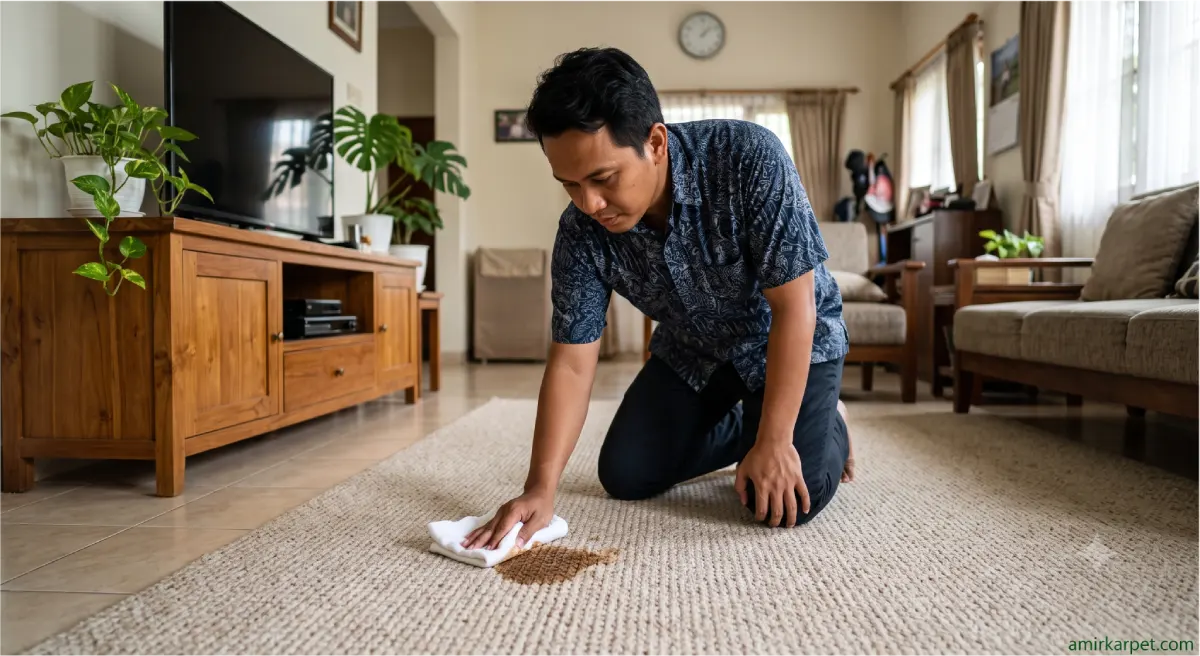
You’re halfway through your morning routine, mug in hand, when it happens — a slip, a splash, and suddenly there’s a spreading brown puddle soaking into your favorite rug. If you’re reading this with a paper towel in one hand and a sinking feeling in your stomach, take a breath. Knowing how to remove coffee stain from carpet quickly and correctly is the difference between a five-minute fix and a permanent brown blotch you’ll be staring at for years.
The good news? Coffee stains, while notorious, are not as stubborn as they look once you understand what’s actually happening at the fiber level. Coffee contains tannins — the same staining compounds found in tea and red wine — which bond to carpet fibers as they dry. That means speed and technique matter far more than brute force or expensive products.
In this guide, you’ll learn exactly how to remove coffee stain from carpet using household ingredients, what to do differently for dried coffee stain removal, and which mistakes make coffee stains worse instead of better. Whether you’re dealing with a fresh coffee spill on carpet right now or an old stain you’ve been avoiding, these 12 steps will walk you through a complete carpet coffee stain treatment that actually works.
Before jumping into how to remove coffee stain from carpet, it helps to understand why coffee is such an effective dye. Coffee contains tannins, natural plant compounds that are chemically similar to the dyes used in fabric coloring. When coffee meets carpet fiber, the tannins latch onto the material and, if left untreated, oxidize in the air — turning a light brown stain into a darker, more permanent mark within just a few hours.
This is why any effective coffee stain removal method relies on two key principles:
Understanding this science is the foundation for every technique in this article, whether you’re treating a fresh coffee spill on carpet or attempting dried coffee stain removal on a stain that’s been sitting for days.
Having the right supplies on hand makes coffee stain removal far more efficient. Most of what you need is probably already in your kitchen or laundry room.
| Supplies for Coffee Stain Removal | Purpose |
|---|---|
| White cloths or paper towels | Blotting without transferring dye from colored fabric |
| Cold water | Diluting the stain before it sets |
| Dish soap (clear, non-bleach) | Breaking down oils and tannins |
| White vinegar | Neutralizing stains and lifting residue |
| Baking soda | Absorbing moisture and odor, lifting dried stains |
| Hydrogen peroxide (3%) | Treating stubborn or old coffee stains |
| Spray bottle | Even application of cleaning solution |
| Soft-bristle brush | Gently working solution into carpet fibers |
| Vacuum cleaner | Removing dried residue after treatment |
Keep this list handy — you’ll reference several of these items throughout the step-by-step process below.
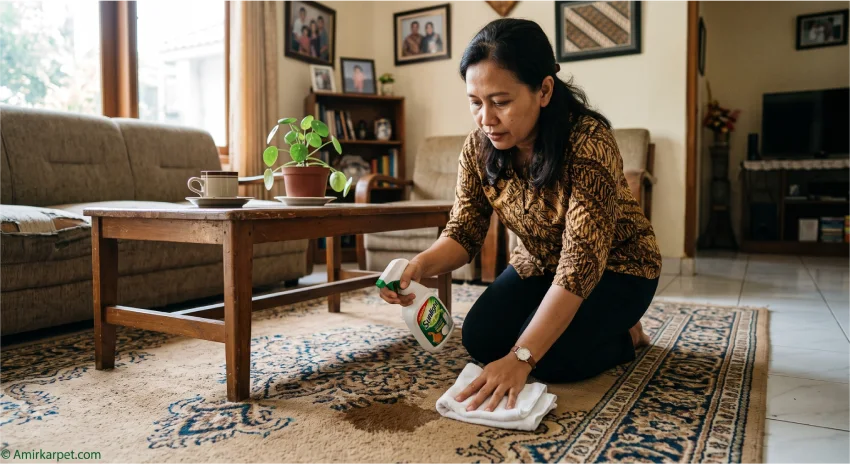
Dish soap helps lift coffee oils and tannins before they become permanent.
This is the core carpet coffee stain treatment. Follow these steps in order for the best results, whether the stain is fresh or has already dried.
The single most important factor in coffee stain removal is timing. As soon as you notice a coffee spill on carpet, stop what you’re doing and address it. Every minute that passes increases the odds the stain will set permanently.
Using a clean white cloth or paper towel, press firmly onto the spill and lift straight up. Repeat with a fresh section of cloth each time. Rubbing spreads coffee stain particles outward and pushes liquid deeper into the carpet backing, making removal significantly harder.
Continue blotting until the cloth stops absorbing liquid. For larger spills, you may need several paper towels. The goal here is simply to soak up as much of the coffee as possible before applying any cleaning solution.
Lightly dampen the area with cold water and blot again. Never use hot water on a coffee stain — heat can actually set tannins into the fibers, which is the opposite of what you want when trying to remove coffee stain from carpet.
Mix one tablespoon of clear dish soap with two cups of cold water. Apply this solution to the stain using a spray bottle or cloth, then blot gently. Dish soap breaks down the oils in coffee, making it easier to lift the tannin residue from carpet fibers.
Allow the dish soap solution to sit on the stain for 5–10 minutes. This dwell time gives the soap a chance to break down the coffee compounds before you begin lifting them out.
Blot the treated area thoroughly, working from the outer edge of the stain inward. This prevents the stain from spreading further into clean carpet fibers.
If the coffee stain persists after the soap treatment, mix equal parts white vinegar and water. Vinegar’s mild acidity helps break down tannin bonds, making it especially effective for clean coffee stain from carpet situations where soap alone isn’t cutting it. Spray it on, wait five minutes, then blot.
For dried coffee stain removal, dish soap and vinegar may not be enough on their own. Dab a small amount of 3% hydrogen peroxide onto the stain using a clean cloth. Always test it first on a hidden section of carpet, since peroxide can lighten some carpet dyes. Let it sit for a few minutes before blotting.
For older or particularly stubborn stains, sprinkle baking soda over the damp area and let it sit for at least 15 minutes, or overnight for tougher spots. Baking soda absorbs residual moisture, lifts remaining tannins, and neutralizes any lingering coffee odor.
Once the baking soda has fully dried, vacuum it up thoroughly. This step also fluffs the carpet fibers back into place, restoring the carpet’s natural texture after multiple rounds of blotting.
Check the treated area once it’s fully dry — coffee stains can sometimes appear lighter when wet and reemerge slightly once dried. If any discoloration remains, repeat steps 5 through 11. Most coffee stains, even dried ones, respond well to two full treatment cycles.
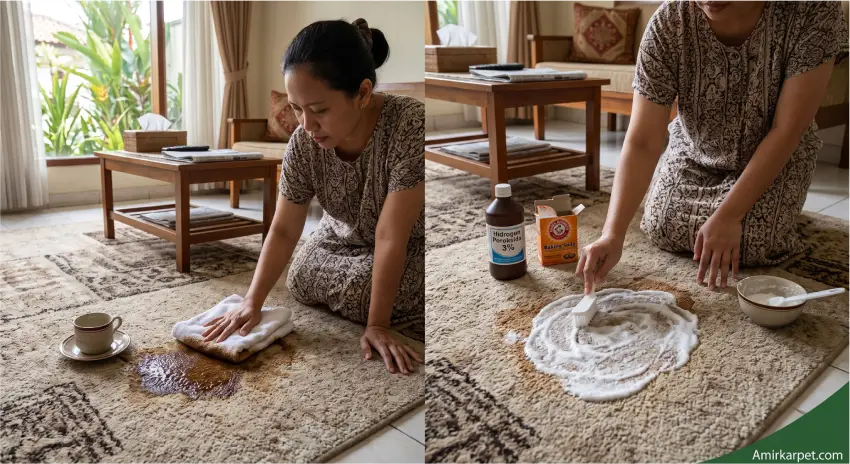
Fresh stains are easier to remove, while older stains require stronger treatments and more patience.
Not every coffee stain treatment is created equal. How you approach a fresh coffee spill on carpet differs from tackling a dried coffee stain removal project, and knowing the distinction saves time and effort.
| Factor | Fresh Coffee Stain | Dried Coffee Stain |
|---|---|---|
| Best first step | Blot immediately | Dampen and soften first |
| Water temperature | Cold water only | Cold water, longer soak time |
| Cleaning solution | Dish soap solution | Vinegar or hydrogen peroxide |
| Treatment time | 10–15 minutes total | 30+ minutes, possibly overnight |
| Success rate | Very high | Moderate to high with repeat treatment |
| Risk of permanent set | Low if treated quickly | Higher, especially on light carpet |
If you’re dealing with a stain that’s already set, don’t panic — dried coffee stain removal is still very achievable. It just requires more patience and, in many cases, a second or third round of treatment using the vinegar and hydrogen peroxide steps above.
Many people wonder whether a specialized coffee stain carpet cleaner is worth buying, or if household ingredients do the job just as well. Here’s an honest breakdown.
| Cleaner Type | Pros | Cons |
|---|---|---|
| Dish soap + water | Cheap, gentle, effective on fresh stains | Less effective on old, set-in stains |
| White vinegar solution | Breaks down tannins, deodorizes, affordable | Strong smell during use |
| Hydrogen peroxide | Powerful on dried coffee stain removal | Can lighten some carpet dyes |
| Commercial carpet coffee stain treatment | Formulated for tough stains, often includes enzymes | More expensive, may contain harsh chemicals |
| Baking soda | Absorbs moisture and odor, safe for most carpets | Needs vacuuming afterward, slower results |
For most households, a combination approach — starting with dish soap, escalating to vinegar or peroxide if needed — handles the vast majority of coffee stains without ever needing a commercial product. That said, if you’re managing wall-to-wall carpet or a particularly delicate weave, an enzyme-based commercial coffee stain carpet cleaner can offer extra peace of mind.
Even well-intentioned quick fixes can backfire. Avoid these mistakes when trying to remove coffee stain from carpet:
Steering clear of these missteps ensures your carpet coffee stain treatment actually works the first time, rather than making things worse.
Most coffee stains can be handled with the steps above, but there are times when calling in a professional carpet cleaner makes sense — particularly for wool carpets, antique rugs, or stains that have been sitting for weeks despite repeated treatment. Professional-grade extraction equipment and specialized enzyme treatments can lift tannin stains that home methods can’t fully remove. If you have a valuable or delicate rug, it’s often worth the investment rather than risking further damage with DIY chemical combinations.
Does coffee stain carpet permanently?
Not usually. Most coffee stains can be fully removed if treated promptly with cold water, dish soap, and vinegar or hydrogen peroxide as needed. Permanent staining is more likely only when coffee is left untreated for an extended period on light-colored, natural-fiber carpet.
How do you get old coffee stains out of carpet?
For dried coffee stain removal, dampen the area first, then apply a vinegar solution followed by hydrogen peroxide if the stain persists. Let each solution sit for several minutes before blotting, and finish with a baking soda treatment to lift any remaining residue.
Can I use OxiClean or similar products to remove coffee stain from carpet?
Yes, oxygen-based cleaners like OxiClean can be effective for coffee stain removal, especially on set-in stains. Always spot-test on a hidden area first, since some carpet fibers and dyes react differently to oxygen-based formulas.
Why does my coffee stain keep coming back after cleaning?
This usually happens when cleaning solution or moisture remains deep in the carpet padding and wicks back up to the surface as it dries, pulling residual coffee stain with it. Blotting thoroughly and using a fan to speed drying helps prevent this “wicking” effect.
Is vinegar or baking soda better for coffee stain removal?
They work best together rather than as competitors. Vinegar breaks down the tannins chemically, while baking soda absorbs moisture and lifts remaining particles. Using vinegar first, followed by a baking soda application, gives you the most thorough clean coffee stain from carpet.
Learning how to remove coffee stain from carpet doesn’t require expensive equipment or professional-grade chemicals — just the right technique, applied quickly and patiently. Whether you’re blotting up a fresh coffee spill on carpet this morning or finally tackling that dried coffee stain removal project you’ve been putting off, the 12 steps above give you a reliable, repeatable process that works on most carpet types.
The key takeaways: act fast, blot instead of rub, work from mild solutions (dish soap) to stronger ones (vinegar, hydrogen peroxide) as needed, and always finish with a baking soda treatment to lift residue and odor. With this carpet coffee stain treatment in your back pocket, that next coffee mishap won’t stand a chance.
Have a coffee stain you’re still fighting?
Try the full 12-step process above, and if you’ve got a tip or product that’s worked well for you, share it in the comments below — your fix might help someone else save their carpet today.
by Amir Nadeem
 23Jul
by Amir Nadeem
23Jul
by Amir Nadeem